

What are the requirements for transporting a pet in luggage?
Oct 17, 2025
Transporting a pet in luggage is a topic that a lot of pet owners are concerned about. As a luggage supplier, I've had many customers asking me about the requirements for this kind of situation. So, I thought I'd share some insights on what you need to know if you're planning to transport your furry friend in luggage.
First off, let's talk about the legality of it. In most places, it's illegal to transport a pet in regular luggage. Airlines, for example, have strict rules about pet transportation. They usually require pets to be in approved pet carriers that meet certain size, ventilation, and safety standards. These carriers are designed to keep your pet safe and comfortable during the journey. You can't just throw your pet into a regular suitcase and expect to fly with it.
Now, if you're traveling by car, the rules are a bit more lenient, but safety is still a top priority. You need to make sure the luggage or carrier you use is big enough for your pet to stand up, turn around, and lie down comfortably. A cramped space can cause a lot of stress for your pet, and it's just not fair to them. If you're looking for a smaller option, you might consider the 18 Inch Suitcase For Kids. It could work well for small pets like cats or small dogs on a short car journey.
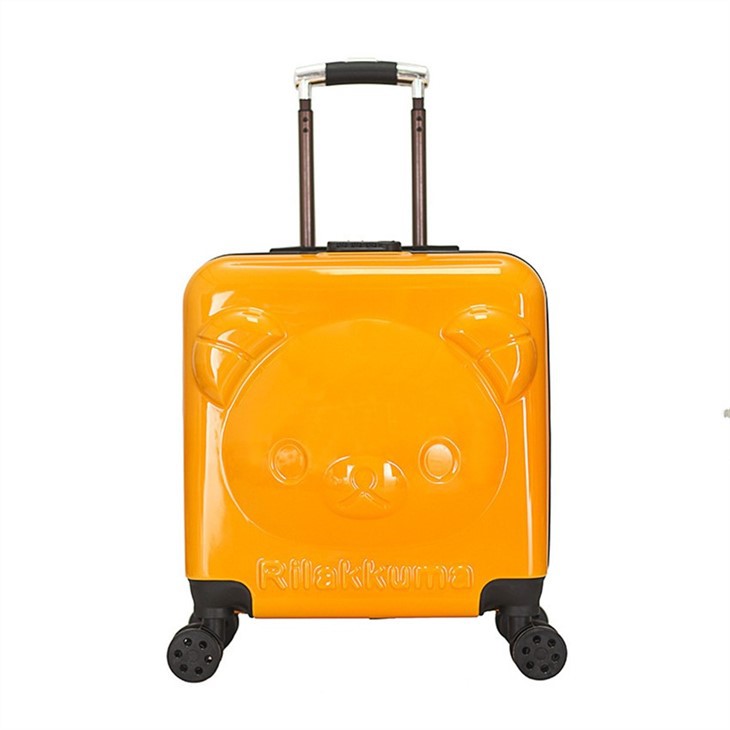

Ventilation is another crucial factor. Your pet needs fresh air to breathe, so the luggage or carrier should have proper ventilation holes. These holes should be big enough to allow air to circulate but small enough to prevent your pet from sticking their paws or head out and getting injured. You don't want your pet to overheat or suffocate during the trip.
The material of the luggage also matters. It should be sturdy and durable enough to withstand any movement or bumps during transportation. Soft-sided luggage might not be the best choice as it can easily be crushed or damaged, which could put your pet at risk. Hard-sided luggage, on the other hand, provides more protection.
When it comes to food and water, you need to make sure your pet has access to them during the journey. You can use small bowls or containers that can be attached to the inside of the luggage or carrier. It's also a good idea to take breaks during long trips so your pet can stretch their legs, go to the bathroom, and have a drink.
Hygiene is important too. You should line the inside of the luggage or carrier with absorbent material like puppy pads or towels. This will help keep your pet clean and dry and make the journey more comfortable for them. You'll also need to clean the carrier regularly to prevent any bad odors or the growth of bacteria.
If you're flying with your pet, you'll need to check with the airline about their specific requirements. They might ask for a health certificate from your vet, which shows that your pet is fit to travel. You'll also need to pay a pet fee, and there might be restrictions on the number of pets allowed on a flight.
Some airlines have their own approved pet carriers, and you'll need to use one of those. These carriers are usually more expensive than regular luggage, but they're designed to meet all the safety and comfort requirements for pet travel.
Now, as a luggage supplier, I understand that finding the right luggage or carrier for your pet can be a challenge. That's why we offer a wide range of options to suit different needs and budgets. Whether you're looking for a small carrier for a short car trip or a large, airline-approved carrier for a long flight, we've got you covered.
If you're interested in our products and want to discuss your specific requirements, don't hesitate to get in touch. We're here to help you find the perfect solution for transporting your pet safely and comfortably.
In conclusion, transporting a pet in luggage requires careful planning and consideration. You need to make sure you meet all the legal, safety, and comfort requirements. By choosing the right luggage or carrier and following the guidelines, you can ensure a stress-free journey for both you and your pet.
References
- American Veterinary Medical Association (AVMA) guidelines on pet transportation.
- Various airline websites for their pet transportation policies.