

How should I protect a telescope when packing it in luggage?
Sep 15, 2025
When it comes to packing a telescope in luggage, whether for travel or storage, proper protection is of utmost importance. As a luggage supplier, I understand the significance of ensuring that your valuable telescope remains safe and undamaged during transit. In this blog post, I'll share some essential tips on how to protect a telescope when packing it in luggage.
Understanding the Telescope's Fragility
Telescopes are delicate instruments with precision optics and sensitive components. The lenses, mirrors, and mounts are all vulnerable to damage from impact, vibration, and temperature changes. Before packing your telescope, it's crucial to understand its specific vulnerabilities and take appropriate measures to safeguard it.
Choosing the Right Luggage
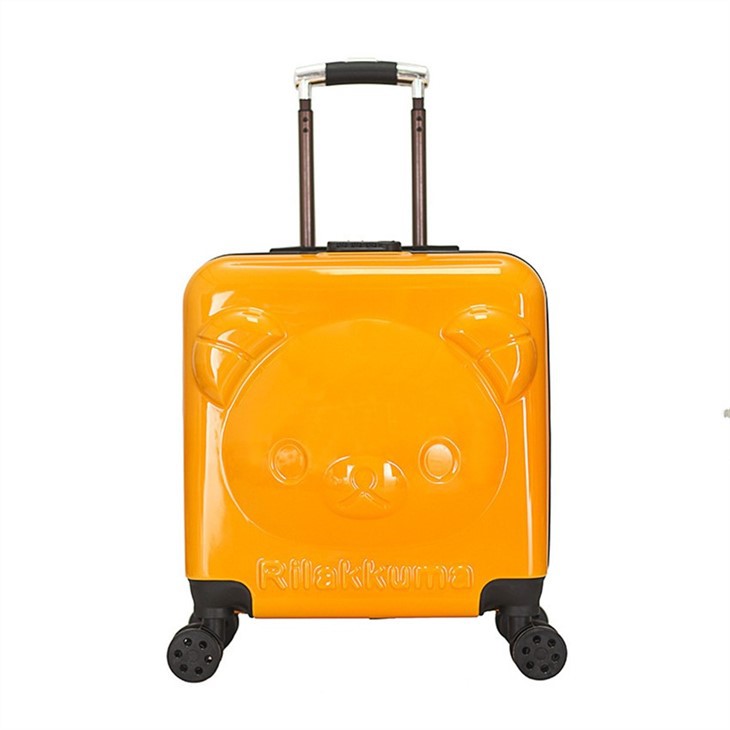
The first step in protecting your telescope is selecting the right luggage. A hard - sided suitcase is generally the best choice as it provides better protection against impacts. Look for a suitcase with a sturdy outer shell and a well - padded interior. If you're traveling with a smaller telescope, a 18 Inch Suitcase For Kids can be a suitable option, as it offers a compact and secure space.
For larger telescopes, consider a large, heavy - duty hard - sided case. Make sure the luggage is large enough to accommodate the telescope without forcing it in, as this could lead to damage. Additionally, check the weight capacity of the luggage to ensure it can handle the weight of the telescope and any accessories.
Disassembling the Telescope
Before packing, it's advisable to disassemble the telescope into its major components. This makes it easier to pack and reduces the risk of damage. Start by removing the eyepieces, finderscope, and any other detachable accessories. Place these small items in a separate, padded container, such as a small plastic box or a soft - sided pouch.
Next, disassemble the telescope tube from the mount. Some telescopes have quick - release mechanisms that make this process simple. Be careful when handling the tube, as it contains the delicate optics. Wrap the tube in a soft, protective material, such as bubble wrap or foam padding.
Padding the Telescope Components
Once the telescope is disassembled, each component needs to be properly padded. For the telescope tube, wrap it in multiple layers of bubble wrap. Start from one end and work your way to the other, making sure to cover the entire tube. Secure the bubble wrap with tape, but be careful not to apply too much pressure that could damage the tube.
The mount can also be padded. You can use foam sheets or cut - out foam pieces to line the inside of the luggage where the mount will be placed. Place the mount on the foam padding and then add more foam on top to cushion it.
For the small accessories, such as eyepieces and finderscopes, place them in a padded container and surround them with soft material like cotton balls or small pieces of foam. This will prevent them from moving around and getting damaged.
Securing the Components in the Luggage
After padding the components, it's time to place them in the luggage. Start by arranging the larger components, such as the mount and the tube, in the bottom of the suitcase. Make sure they are positioned in a way that they won't shift during transit. You can use straps or elastic bands to secure the components in place.
If there are any gaps between the components, fill them with additional padding, such as packing peanuts or more foam pieces. This will prevent the components from moving and hitting each other.
Protecting Against Temperature and Humidity
Temperature and humidity can also affect the performance and longevity of a telescope. If you're traveling to an area with extreme temperatures or high humidity, take extra precautions. You can use desiccant packs to absorb moisture in the luggage. Place a few desiccant packs in the corners of the suitcase.
To protect against temperature changes, you can insulate the luggage. Wrap the suitcase in a thermal blanket or place it inside a larger, insulated container. This will help maintain a more stable temperature inside the luggage.
Labeling the Luggage
It's a good idea to label the luggage clearly as containing a telescope. You can use a bright - colored label or a sticker that says "Fragile - Telescope Inside". This will alert the handlers to take extra care when handling the luggage.

Testing the Packing
Before you finalize the packing, test the suitcase to make sure everything is secure. Lift the suitcase gently and give it a slight shake. If you hear any rattling or movement inside, open the suitcase and adjust the padding or the positioning of the components.
Special Considerations for Air Travel
If you're traveling by air, there are some additional considerations. First, check with your airline about their policies regarding carrying telescopes. Some airlines may allow telescopes as carry - on items, while others may require them to be checked.
If you're checking the telescope, make sure the luggage meets the airline's size and weight restrictions. It's also a good idea to take out any valuable or sensitive accessories, such as expensive eyepieces, and carry them in your personal item.
Conclusion
Protecting a telescope when packing it in luggage requires careful planning and attention to detail. By choosing the right luggage, disassembling the telescope, padding the components, and taking measures against temperature and humidity, you can ensure that your telescope arrives at its destination in perfect condition.
As a luggage supplier, I'm committed to providing high - quality luggage solutions that meet the needs of telescope owners. If you're in the market for a new suitcase to protect your telescope, or if you have any questions about packing and protecting your telescope, I encourage you to reach out to me for more information and to discuss your specific requirements. We can have a detailed conversation about your needs and find the best luggage options for you.
References
- "Telescope User Manuals" - Various telescope manufacturers
- "Packing Guide for Delicate Instruments" - General packing resources