

How should I pack my luggage to avoid damage?
Nov 19, 2025
Packing your luggage properly is crucial to avoid damage during transit. As a luggage supplier, I've witnessed firsthand the consequences of improper packing, from broken zippers to damaged interiors. In this blog post, I'll share some expert tips on how to pack your luggage effectively, ensuring your belongings arrive at their destination in one piece.
Choose the Right Luggage
The first step in avoiding damage is selecting the appropriate luggage for your needs. Consider the type of trip you're taking, the duration, and the amount of stuff you'll be carrying. For short trips, a compact carry-on might suffice, while longer journeys may require a larger checked bag.
When choosing luggage, pay attention to the material and construction. Hard-shell suitcases are generally more durable and offer better protection against impacts, while soft-sided bags are more flexible and can often be expanded to accommodate extra items. Look for luggage with reinforced corners, sturdy zippers, and strong handles.
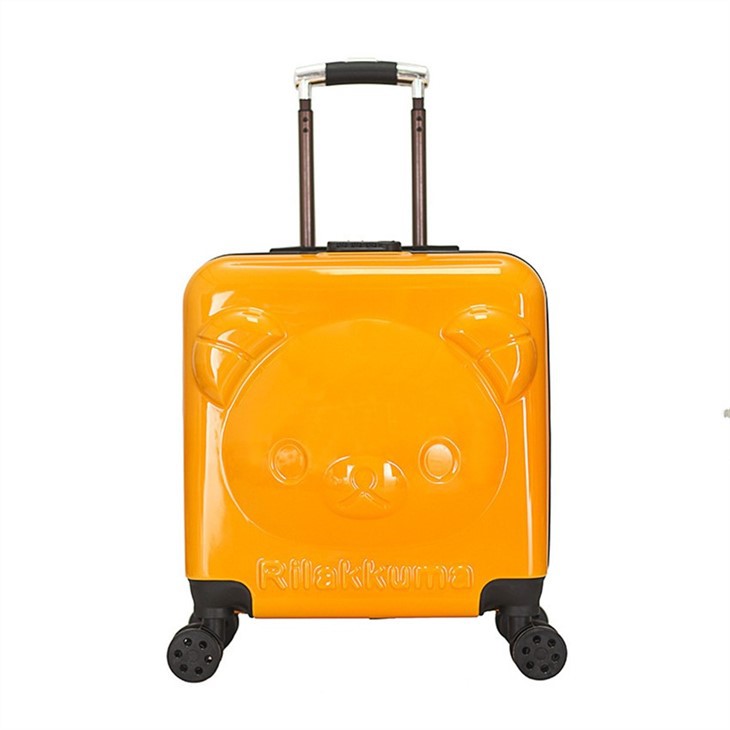
If you're traveling with children, consider investing in a 18 Inch Suitcase For Kids. These suitcases are designed specifically for younger travelers, with smaller dimensions and fun designs that kids will love.
Prepare Your Luggage
Before you start packing, take a few minutes to prepare your luggage. Check for any existing damage, such as loose seams or broken zippers, and repair them if necessary. Clean the interior of the bag to remove any dirt or debris that could scratch your belongings.
If you're using a hard-shell suitcase, consider lining the interior with a soft cloth or bubble wrap to provide an extra layer of protection. This can help prevent scratches and dents on your items.

Sort Your Belongings
Sorting your belongings before packing is an essential step in ensuring they're packed efficiently and protected. Separate your items into categories, such as clothing, toiletries, electronics, and fragile items. This will make it easier to find what you need during your trip and help you pack more strategically.
When sorting your clothing, consider the climate and activities you'll be participating in. Pack lightweight, breathable fabrics for warm weather and layers for cooler temperatures. Roll your clothes instead of folding them to save space and prevent wrinkles.
Use Packing Cubes
Packing cubes are a game-changer when it comes to organizing your luggage and protecting your belongings. These small, lightweight cubes come in various sizes and can be used to separate your clothes, accessories, and other items. By using packing cubes, you can keep your luggage organized, prevent items from shifting during transit, and make it easier to find what you need.
When packing your cubes, fill them to capacity but avoid overstuffing. This can cause the cubes to burst or make it difficult to close your luggage. Label each cube with its contents to make it easier to identify them at a glance.
Protect Fragile Items
Fragile items, such as glassware, electronics, and jewelry, require special attention when packing. To protect these items, wrap them individually in bubble wrap, packing paper, or soft cloth. Place them in a separate compartment or packing cube to prevent them from being crushed by other items.
If you're packing electronics, remove the batteries and place them in a separate plastic bag. This can help prevent damage from short circuits and ensure your devices are safe during transit.
Fill Empty Spaces
To prevent your belongings from shifting and getting damaged during transit, fill any empty spaces in your luggage with soft items, such as socks, underwear, or towels. This can help cushion your belongings and provide additional support.
You can also use packing organizers, such as shoe bags and toiletry kits, to fill empty spaces and keep your items organized. These organizers can help prevent your shoes from scuffing your clothes and keep your toiletries from leaking.
Secure Your Luggage
Once you've packed your luggage, it's important to secure it properly to prevent it from opening during transit. Use a luggage lock to secure the zippers and ensure your belongings are safe. If you're traveling internationally, make sure your lock is TSA-approved to avoid any issues at the airport.
You can also use luggage straps to provide additional support and prevent your luggage from bursting open. These straps can be adjusted to fit your luggage and help keep it secure during transit.
Label Your Luggage
Labeling your luggage is an important step in ensuring it's returned to you if it gets lost or misplaced. Use a luggage tag to include your name, contact information, and destination. Make sure the tag is clearly visible and securely attached to your luggage.
You can also consider using a GPS tracking device to keep track of your luggage during transit. These devices can be attached to your luggage and allow you to monitor its location in real-time.
Conclusion
Packing your luggage properly is essential to avoid damage during transit. By following these expert tips, you can ensure your belongings arrive at their destination in one piece. Remember to choose the right luggage, prepare it before packing, sort your belongings, use packing cubes, protect fragile items, fill empty spaces, secure your luggage, and label it properly.
As a luggage supplier, I'm committed to providing high-quality luggage and accessories that meet the needs of travelers. If you're in the market for new luggage or have any questions about packing, please don't hesitate to contact me. I'd be happy to help you find the perfect luggage for your next trip and provide you with expert advice on packing and travel.
References
- "How to Pack a Suitcase Like a Pro." Travel + Leisure, 2023.
- "The Ultimate Guide to Packing Light." National Geographic, 2023.
- "10 Tips for Packing Your Luggage to Avoid Damage." Forbes, 2023.