

Can I bring a fire extinguisher in my luggage?
Nov 14, 2025
Hey there! As a luggage supplier, I get tons of questions from folks about what they can and can't pack in their suitcases. One question that pops up more often than you'd think is, "Can I bring a fire extinguisher in my luggage?" It's a valid concern, especially if you're traveling to a place where safety is a bit of a worry. So, let's dive into this topic and figure out the dos and don'ts.
First off, it's important to understand that bringing a fire extinguisher in your luggage isn't as straightforward as packing a pair of socks. Fire extinguishers are considered dangerous goods because they contain pressurized substances and chemicals that can be hazardous if not handled properly. Whether you can bring one depends on a few key factors, like the type of fire extinguisher, the mode of transportation, and the regulations of the destination country.
Types of Fire Extinguishers
There are several types of fire extinguishers, each designed to tackle different kinds of fires. The most common ones are water, foam, dry chemical, carbon dioxide (CO2), and wet chemical extinguishers. The type you have matters because different extinguishers have different levels of risk associated with them.

- Water Extinguishers: These are the simplest type, filled with water and sometimes a small amount of additives. They're generally used for Class A fires, which involve ordinary combustibles like wood, paper, and cloth. While water itself isn't a dangerous substance, the pressure inside the extinguisher can pose a risk.
- Foam Extinguishers: Foam extinguishers are used for Class A and B fires, which include flammable liquids like gasoline and oil. The foam contains chemicals that can be harmful if inhaled or come into contact with the skin.
- Dry Chemical Extinguishers: These are the most common type of fire extinguisher and are used for Class A, B, and C fires (involving electrical equipment). The dry chemical powder can be irritating to the eyes, nose, and throat, and it can also be a respiratory hazard if inhaled.
- Carbon Dioxide (CO2) Extinguishers: CO2 extinguishers are used for Class B and C fires. They work by displacing oxygen, which smothers the fire. The CO2 gas is stored under high pressure, and if the extinguisher is damaged or leaks, it can cause asphyxiation.
- Wet Chemical Extinguishers: These are used for Class F fires, which involve cooking oils and fats. The wet chemical can be corrosive and can cause skin and eye irritation.
Transportation Regulations
Now, let's talk about the rules when it comes to transporting fire extinguishers. If you're traveling by air, the International Air Transport Association (IATA) has strict regulations regarding the carriage of dangerous goods. In general, fire extinguishers are prohibited in both checked and carry-on luggage. This is because the pressurized contents can pose a risk of explosion or leakage during flight.
However, there are some exceptions. For example, small, non-pressurized fire extinguishers that are used for personal protection may be allowed in checked luggage, but only if they meet certain criteria. These criteria typically include having a maximum capacity of 2 kilograms or 2 liters and being properly labeled and packaged.
If you're traveling by land or sea, the regulations may be a bit more lenient, but it's still important to check with the transportation provider before you travel. Some countries may have their own import restrictions on fire extinguishers, so it's crucial to do your research and make sure you're complying with all the relevant laws and regulations.
What to Do Instead
If you're concerned about fire safety during your travels, there are other ways to protect yourself without bringing a fire extinguisher in your luggage. Here are some tips:
- Research Your Destination: Before you travel, find out about the fire safety situation in your destination. Look for hotels and accommodations that have proper fire safety measures in place, such as smoke detectors, sprinkler systems, and fire exits.
- Carry a Fire Blanket: A fire blanket is a simple and effective way to smother small fires. It's lightweight and easy to pack in your luggage, and it can be used to put out fires on clothing, furniture, or cooking equipment.
- Learn Basic Fire Safety Skills: Knowing how to prevent fires and what to do in case of an emergency can save your life. Take the time to learn basic fire safety skills, such as how to use a fire extinguisher (even if you don't have one with you), how to escape a burning building, and how to call for help.
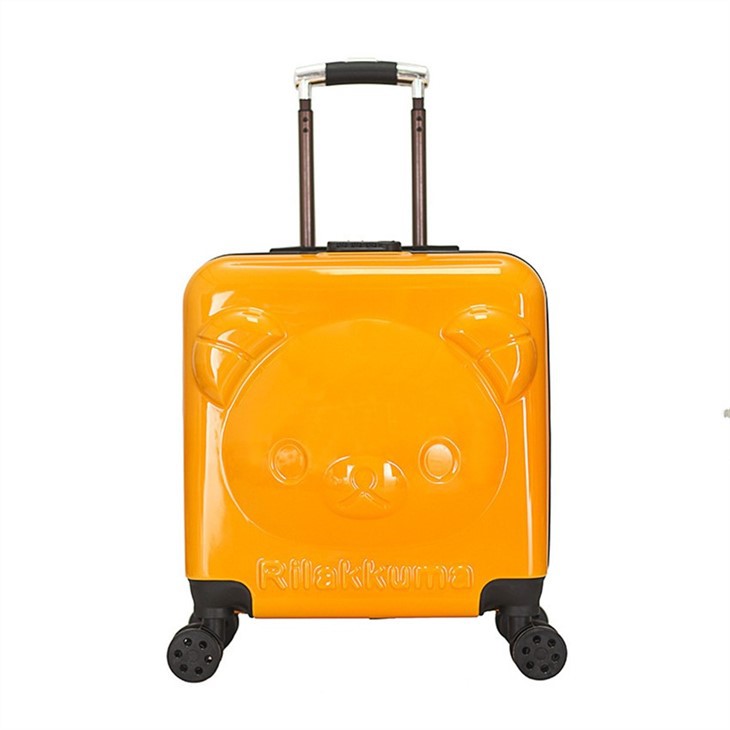
As a luggage supplier, I also want to mention that we offer a wide range of high-quality luggage options to meet your travel needs. For example, our 18 Inch Suitcase For Kids is perfect for young travelers. It's durable, lightweight, and has plenty of storage space for all their essentials.
If you're interested in purchasing luggage from us or have any questions about our products, we'd love to hear from you. Whether you're a frequent traveler or just planning a one-time trip, we can help you find the perfect luggage for your needs. Don't hesitate to reach out and start a conversation with us. We're here to make your travel experience as smooth and stress-free as possible.
References
- International Air Transport Association (IATA). Dangerous Goods Regulations.
- Federal Aviation Administration (FAA). Hazardous Materials Regulations.
- Your local transportation provider's guidelines on dangerous goods.